Overview
An Etorphine Forensic Kit is designed for qualitative screening and/or quantitative confirmation of etorphine in forensic matrices (e.g., biofluids, residues, swabs). Typical kit formats include immunoassay screening (lateral flow or ELISA) with LC–MS/MS confirmation. This page outlines matrix selection, sample prep, method validation (LOD/LOQ, linearity, precision, accuracy), cross-reactivity mapping, quality controls, and reporting structures aligned with common forensic lab practices.
For fundamental background on etorphine’s chemical identity and properties, see PubChem at the National Library of Medicine (NLM) and NIH: pubchem.ncbi.nlm.nih.gov (NIH/NLM). General opioid analytical context and lab safety references are available from CDC and OSHA (cdc.gov, osha.gov). Mass-spectral reference practices and metrology guidance are provided by NIST (nist.gov). For forensic method development and validation principles, consult NIJ (OJP/DOJ) and FBI Laboratory resources (nij.ojp.gov, fbi.gov).
Helpful references (edu/gov):
NIH/NLM/NCBI: ncbi.nlm.nih.gov • PubChem (NIH/NLM): pubchem.ncbi.nlm.nih.gov • NIST: nist.gov • CDC/NIOSH: cdc.gov/niosh • OSHA: osha.gov • NIJ/OJP: nij.ojp.gov • FBI Lab: fbi.gov • DEA (drug chemistry resources): dea.gov • USGS (analytical methods context): usgs.gov • EPA analytical methods repository: epa.gov • SAMHSA (laboratory considerations): samhsa.gov • University method notes: ucla.edu, ucdavis.edu, asu.edu, wustl.edu
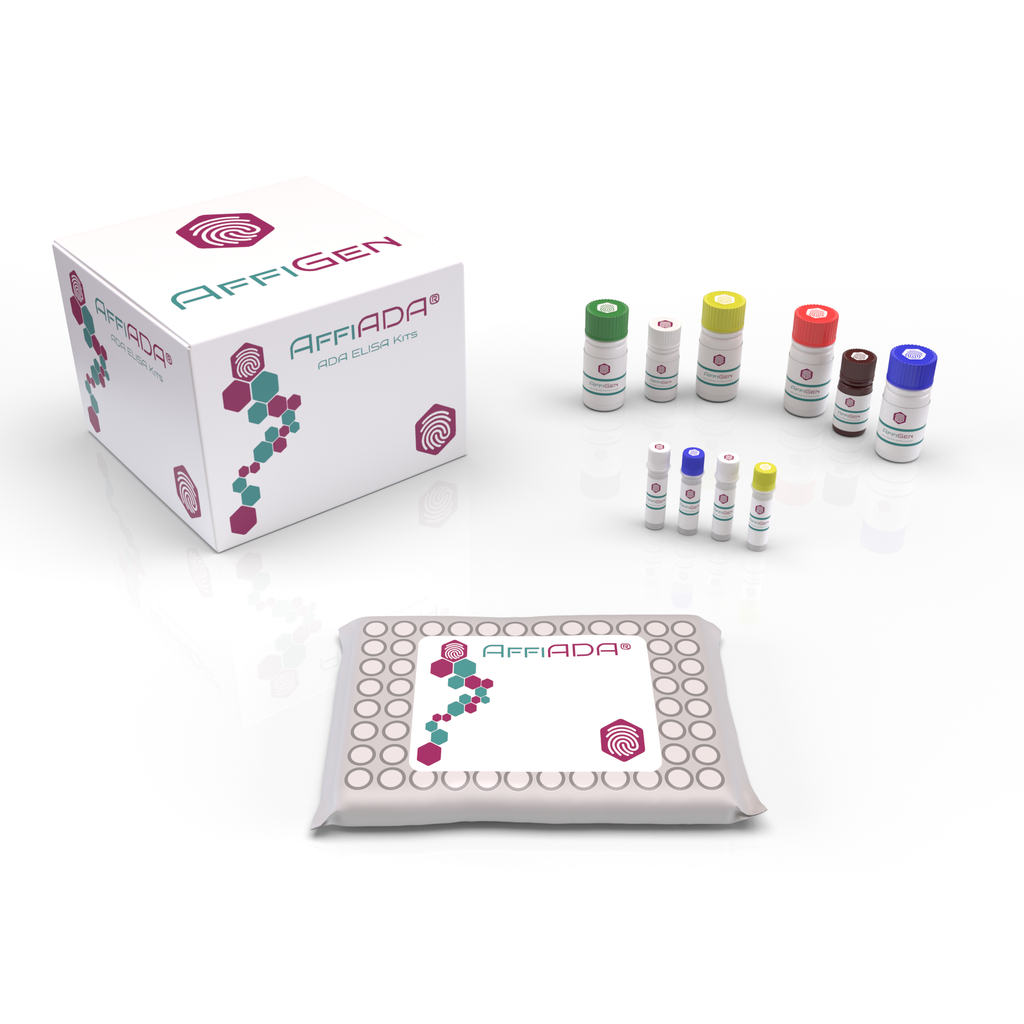
Kit Components & Specifications (typical)
-
Screening module (immunoassay): test device(s), positive/negative controls, running buffer, instructions. See immunoassay primer from academic resources (e.g., ucdavis.edu).
-
Confirmation module (LC–MS/MS): internal standards (ideally isotopically labeled), extraction solvents (LC–MS grade), calibration standards, mobile phases, guard/analytical columns specification, and transition lists. For mass-spec best practices, consult NIST and university LC–MS tutorials (nist.gov, ucla.edu, asu.edu).
-
Documentation: QC charts, certificate(s) for calibrators/controls, chain-of-custody templates aligned with general FBI guidance (fbi.gov) and NIJ recommendations (nij.ojp.gov).
-
Safety: handling and disposal aligned with OSHA lab safety and CDC/NIOSH guidance (osha.gov, cdc.gov/niosh).
Target Matrices
-
Urine, blood/serum/plasma, oral fluid, tissue homogenates, and surface swabs (trace residues).
-
Matrix-specific extraction recoveries and ion suppression profiles should be assessed during method development. See matrix effect discussion in NIJ method validation resources (nij.ojp.gov) and academic LC–MS method development primers (wustl.edu).
Sample Preparation (generalized)
-
Collection & custody. Use validated collection devices; document transfers per chain-of-custody templates (general guidance via FBI Laboratory: fbi.gov).
-
Screening (immunoassay).
-
Bring kit components to ambient temperature as specified.
-
Apply sample with provided buffer; read at indicated time window.
-
Verify positive/negative control responses; invalidate and repeat if controls fail (see general immunoassay QA concepts at ucdavis.edu).
-
-
Confirmation (LC–MS/MS).
-
Spike aliquots with stable-isotope internal standard.
-
Protein precipitation or SPE/LLE depending on matrix; evaluate recovery.
-
Chromatographic separation with gradient elution; transitions optimized for selectivity.
-
Follow NIST mass-spectral best practices for calibration and system suitability (nist.gov); see university LC–MS tutorials for gradient design (ucla.edu, asu.edu).
-
Method Validation Parameters
-
LOD/LOQ. Determine using low-level spikes and signal-to-noise or calibration variance models; ensure fit-for-purpose per NIJ frameworks (nij.ojp.gov).
-
Linearity & range. Multi-point calibration (≥6 levels) spanning expected concentrations; evaluate residuals and back-calculated bias (see NIST guidance on calibration & metrology: nist.gov).
-
Precision & accuracy. Intra-/inter-day QC at low, mid, high levels; %CV and %bias acceptance limits justified by matrix and use-case; see academic QC discussions at wustl.edu.
-
Recovery & matrix effects. Post-extraction spiking and post-column infusion to quantify suppression/enhancement as noted in university LC–MS method notes (ucla.edu, asu.edu).
-
Selectivity/specificity. Evaluate potential cross-reactivity (screening) and interference (confirmation) against structurally related opioids or analogs; consult DEA and NIJ resources for reference materials and casework considerations (dea.gov, nij.ojp.gov).
-
Carryover. Assess via blank after high standard; mitigate with wash protocols (general MS hygiene via NIST: nist.gov).
-
Stability. Bench-top, freeze-thaw, autosampler stability; document with time/temperature conditions; see EPA general method stability considerations for analytical chemistry (epa.gov).
Screening → Confirmation Decision Tree
-
Immunoassay positive or presumptive positive → move to LC–MS/MS confirmation.
-
Immunoassay negative with investigative context still requiring confirmation → discretionary LC–MS/MS.
-
LC–MS/MS confirmation reports quantitative result with ion-ratio, retention-time match, and qualifier/quantifier transitions consistent with acceptance criteria (per NIST MS guidelines: nist.gov).
-
Result interpretation aligned with lab SOPs and general NIJ reporting frameworks (nij.ojp.gov).
Cross-Reactivity & Interferences (Screening)
-
Evaluate kit datasheet cross-reactivity against related opioids/analogs and metabolites.
-
Use reference spectra/standards when possible; consult NIST resources for spectral libraries and measurement science (nist.gov).
-
Maintain awareness of emerging substances via governmental updates (e.g., CDC health advisories, DEA notices: cdc.gov, dea.gov).
LC–MS/MS Configuration (typical)
-
Column: C18, sub-2–3 µm, 50–100 mm; keep guard column.
-
Mobile phase: A = aqueous with volatile buffer; B = organic (acetonitrile or methanol); both with volatile acid/base modifiers compatible with MS.
-
Transitions: Quantifier + ≥1 qualifier; monitor ion ratios within predefined tolerances (see NIST practices: nist.gov).
-
Calibration: External multipoint with internal standard correction; bracketing QCs every 10–20 injections; carryover checks.
-
System suitability: Retention time windowing, peak shape, and S/N thresholds; leverage instrument vendor docs and university method notes (ucla.edu, asu.edu).
Quality Assurance / Quality Control
-
Controls: Negative, low-positive, high-positive controls with every run; trend via Levey–Jennings style charts (general QC concepts via academic resources at wustl.edu).
-
Proficiency testing & method audits: Align with lab accreditation requirements and general guidance from NIJ (nij.ojp.gov).
-
Document control: Versioned SOPs, validated templates, corrective actions, and preventive actions (CAPA).
-
Instrument maintenance: Preventive schedules and performance logs; reference NIST and EPA general analytical QA frameworks (nist.gov, epa.gov).
Health & Safety, Handling, and Waste
-
Follow OSHA chemical hygiene and CDC/NIOSH recommendations for handling potent analytes and laboratory solvents (osha.gov, cdc.gov/niosh).
-
Manage hazardous waste per local regulations and general EPA guidelines (epa.gov).
-
Laboratory personnel training should reflect institutional EHS policies (see university EHS pages such as ucla.edu and ucdavis.edu).
Chain-of-Custody & Documentation
-
Use tamper-evident seals, unique IDs, and auditable handoffs.
-
Reporting should include matrix, method ID, kit lot, calibration curve ID, QC outcomes, confirmation status, and interpretive statement bounded by lab SOPs.
-
For general investigative workflow, consult FBI Laboratory and NIJ high-level guidance (fbi.gov, nij.ojp.gov).
Common Pitfalls & Mitigations
-
Matrix effects → perform matrix-matched calibration; use isotope-labeled internal standards (see NIST: nist.gov).
-
Cross-reactivity (screening) → always confirm by LC–MS/MS.
-
Carryover → implement needle/port washes; include blank-after-high checks.
-
Control drift → monitor with control charts; recalibrate or service instrument as necessary (general QC principles via wustl.edu).
-
Documentation gaps → adopt standardized templates per general NIJ reporting recommendations (nij.ojp.gov).
SEO Notes
Primary keywords: Etorphine forensic kit, etorphine test kit, etorphine LC–MS/MS, etorphine immunoassay, forensic toxicology kit, opioid screening, LC–MS/MS confirmation, cross-reactivity, matrix effects, forensic QA/QC.
Secondary modifiers: analytical validation, LOD/LOQ, sample preparation, SPE extraction, MS transitions, chain of custody, proficiency testing, calibration curve, internal standard, isotope-labeled standard.
Reference Links (embedded above; all .edu / .gov)
-
NIH/NLM/NCBI — https://www.ncbi.nlm.nih.gov
-
PubChem (NIH/NLM) — https://pubchem.ncbi.nlm.nih.gov
-
NIST — https://www.nist.gov
-
CDC/NIOSH — https://www.cdc.gov/niosh
-
OSHA — https://www.osha.gov
-
NIJ (OJP/DOJ) — https://nij.ojp.gov
-
FBI Laboratory — https://www.fbi.gov
-
DEA (drug chemistry resources) — https://www.dea.gov
-
EPA — https://www.epa.gov
-
USGS — https://www.usgs.gov
-
UCLA (edu; LC–MS resources) — https://www.ucla.edu